Container Lock and Security Best Practices
A shipping container is only as secure as its lock. The factory lock rods will keep doors closed, but they won’t stop a determined thief. Whether you’re storing tools, inventory, equipment, or converting a container into an office, shop or home, use this checklist.
### 1. Understand the Weak Point
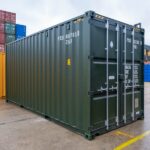
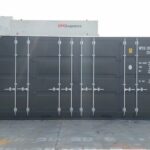
Every standard container has two lock rods per door with a handle that holds them in place. The factory handles are secured with a small padlock tab. That’s it.
A cheap padlock can be removed in seconds with bolt cutters.
Your goal: make your container take 10x longer to break into than the one next to it.
### 2. The 3 Layers of Container Security
Think in layers — not just one lock.
**Layer 1: The Padlock (Essential)**
Don’t use a regular padlock. Use a container-specific padlock:
– **Shrouded / Hidden Shackle Padlock:** The shackle is protected so bolt cutters can’t reach it. Look for boron alloy steel. Best value for most applications.
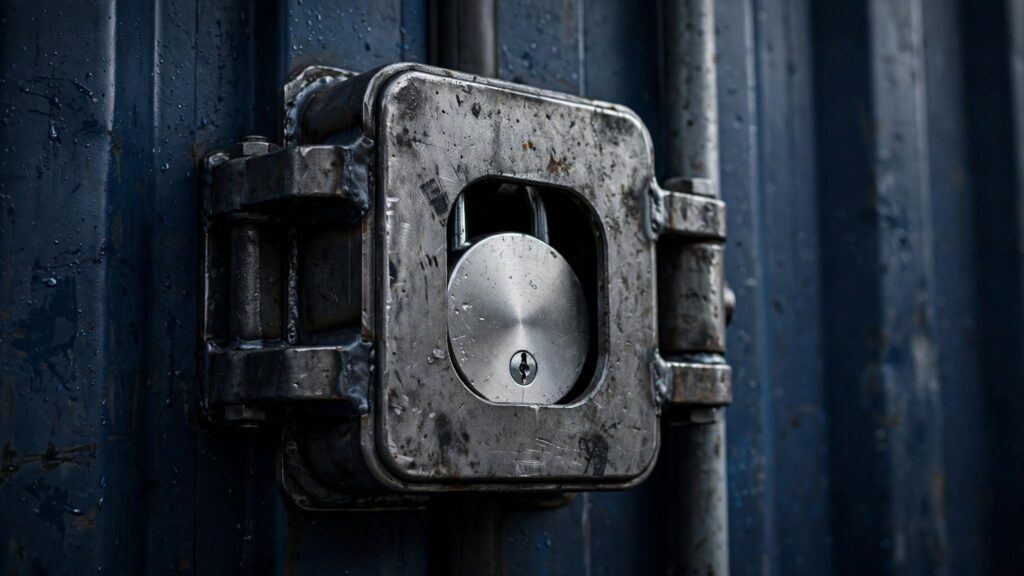
– **Discus / Round Padlock:** Fully enclosed shackle, very hard to cut. The standard for storage use.
– **Container Padlock (CISA-style):** Slides over both lock rods and covers the handles. Most secure option.
Avoid brass locks, long-shackle locks, or anything under 70mm.
**Layer 2: The Lock Box (Highly Recommended)**
A lock box or shroud is a steel box welded over the padlock tabs. It hides the padlock completely. You can only access it from below.
– It turns a quick break-in into a long job requiring power tools
– It’s the single best upgrade you can make
– Most reputable suppliers offer containers with this pre-installed. Ask for it.
If you’re buying a new or one-trip container, request a factory lock box — it’s a small upgrade that prevents major losses.
**Layer 3: Crossbar & Internal Security**
For high-value contents:
– **Container Crossbar Lock:** A steel bar that spans both doors and locks in the middle. Strong visible deterrent.
– **Internal Bolt Lock:** A lock that installs inside the door — can’t be seen or cut from outside. You enter through a side personnel door.
– **Door Clamp Lock:** Clamps the two lock rods together.
### 3. Best Practices for Businesses
**On Site:**
1. **Position doors against a wall** or another container when not in use. If the doors can’t fully open, contents can’t be removed easily.
2. **Install on a solid base** like concrete, paving, or railroad ties — not bare soft ground — to prevent jacking.
3. **Add lighting and an alarm.** A solar motion light is the top deterrent. A wireless door alarm that triggers when opened adds another layer.
4. **Don’t advertise what’s inside.** Signage listing valuable contents is an invitation.
**For Multiple Containers:**
– Use a **master-keyed system** — one key opens all your container discus locks.
– Number your containers and keep a log of who has keys.
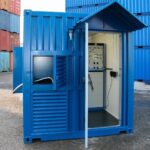
**For Conversions (Office, Kiosk, Home):**
– Replace one set of cargo doors with a **steel personnel door with deadbolt** — much more secure and practical for daily use.
– For glass doors or windows, use security film and internal drop bars.
### 4. What NOT to Do
– Don’t rely on the factory keeper alone — it can be pried with a crowbar.
– Don’t use a chain wrapped around the handles — easy to cut.
– Don’t leave the key in the lock box or hidden on site.
– Don’t use cheap keyed-alike locks from general hardware stores — those keys are widely available.
### 5. Quick Buying Checklist
When you buy a container, make sure you have:
– [ ] **Lock box installed** (shrouded design)
– [ ] **High-security discus padlock** (70mm+, hidden shackle)
– [ ] **At least 3 keys** — keep one off-site
– [ ] Door seals in good condition (no daylight visible inside when doors are closed)
– [ ] Optional: Crossbar lock for high-value storage
Total investment for proper security is typically less than 5% of the container cost.
### Bottom Line
A standard container is wind and watertight, but not thief-proof out of the box. Always budget for a **lock box + discus padlock**. It’s the difference between losing your contents and a thief moving on to an easier target.
**Pro Tip:** When ordering, ask your supplier to weld on a heavy-duty lock box and include a shrouded padlock before delivery — so your container arrives secure, not just sealed.